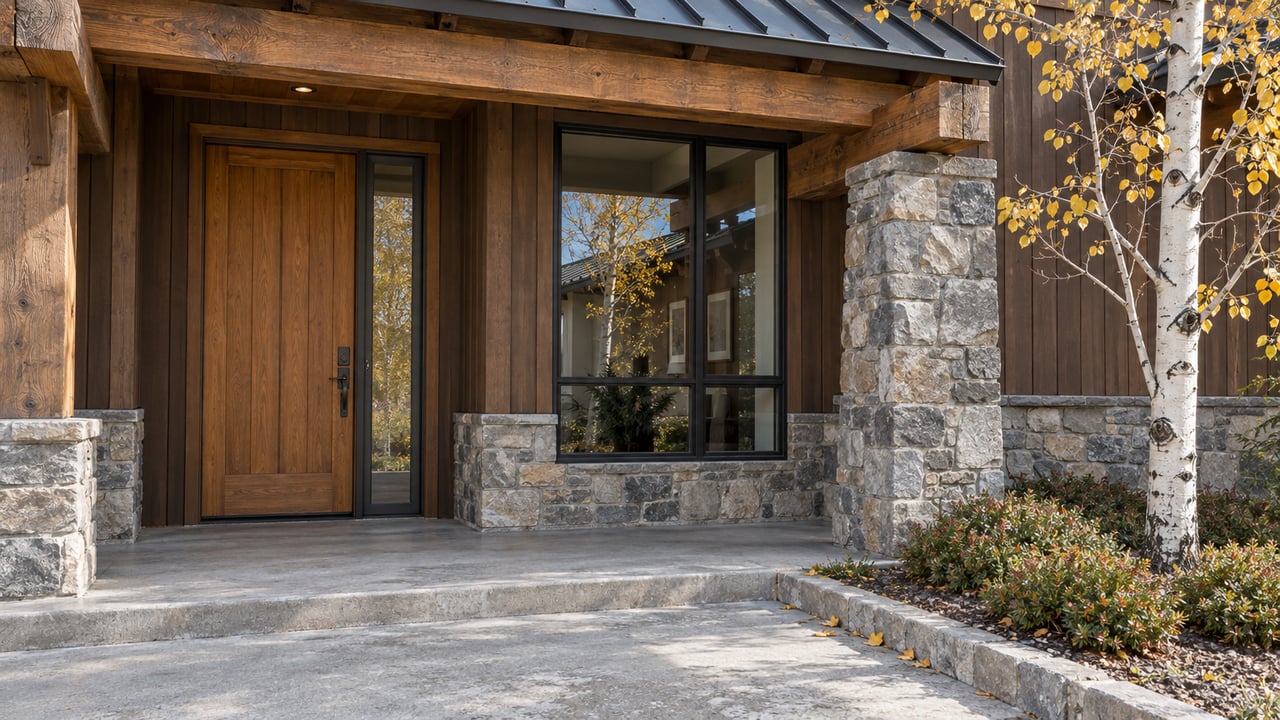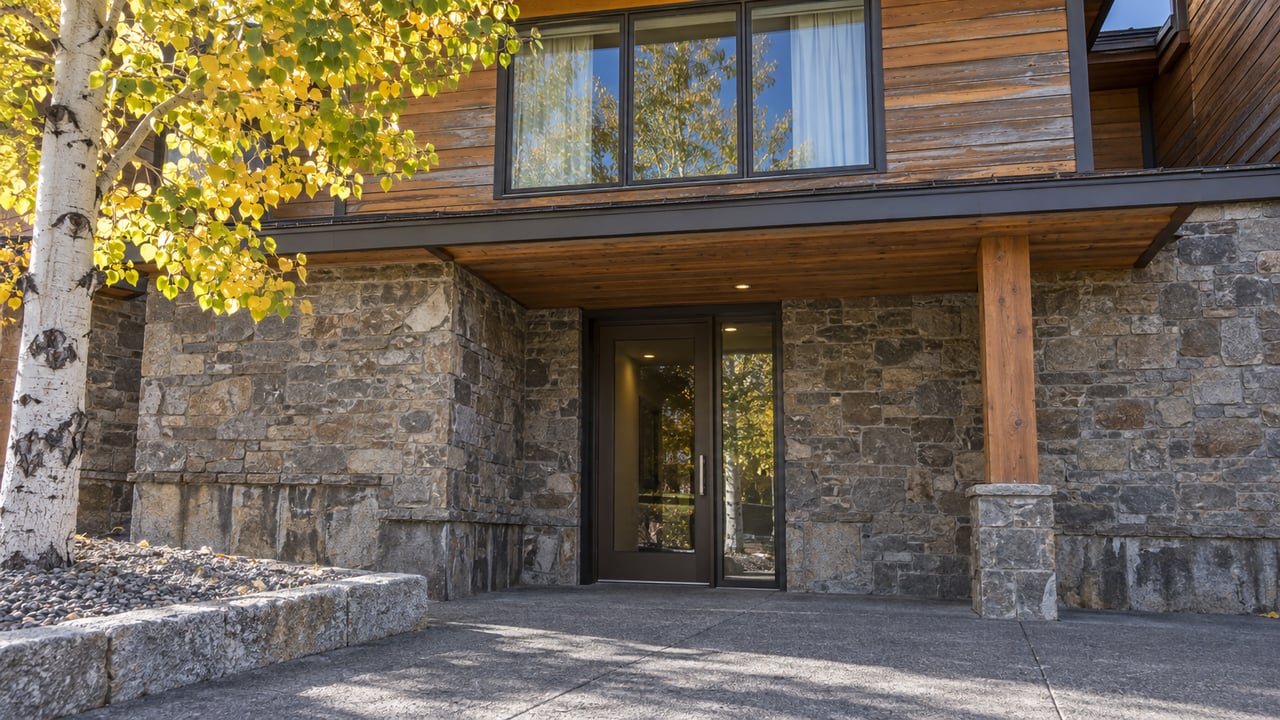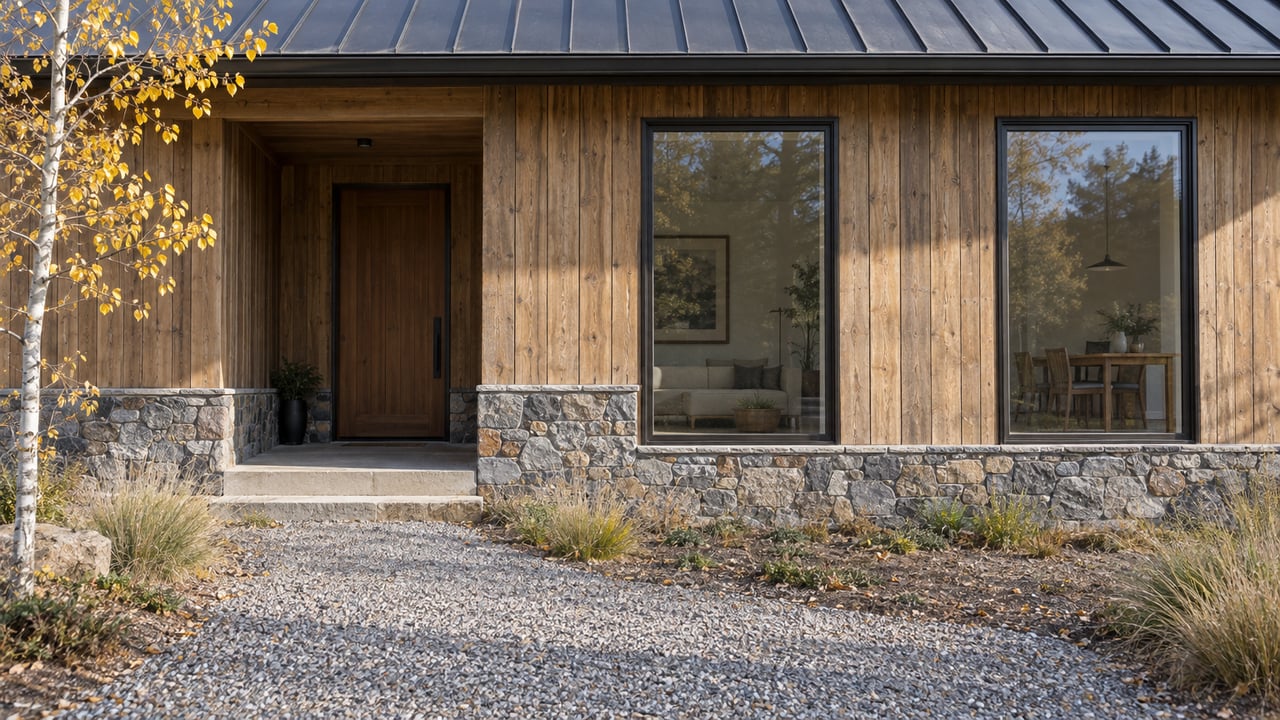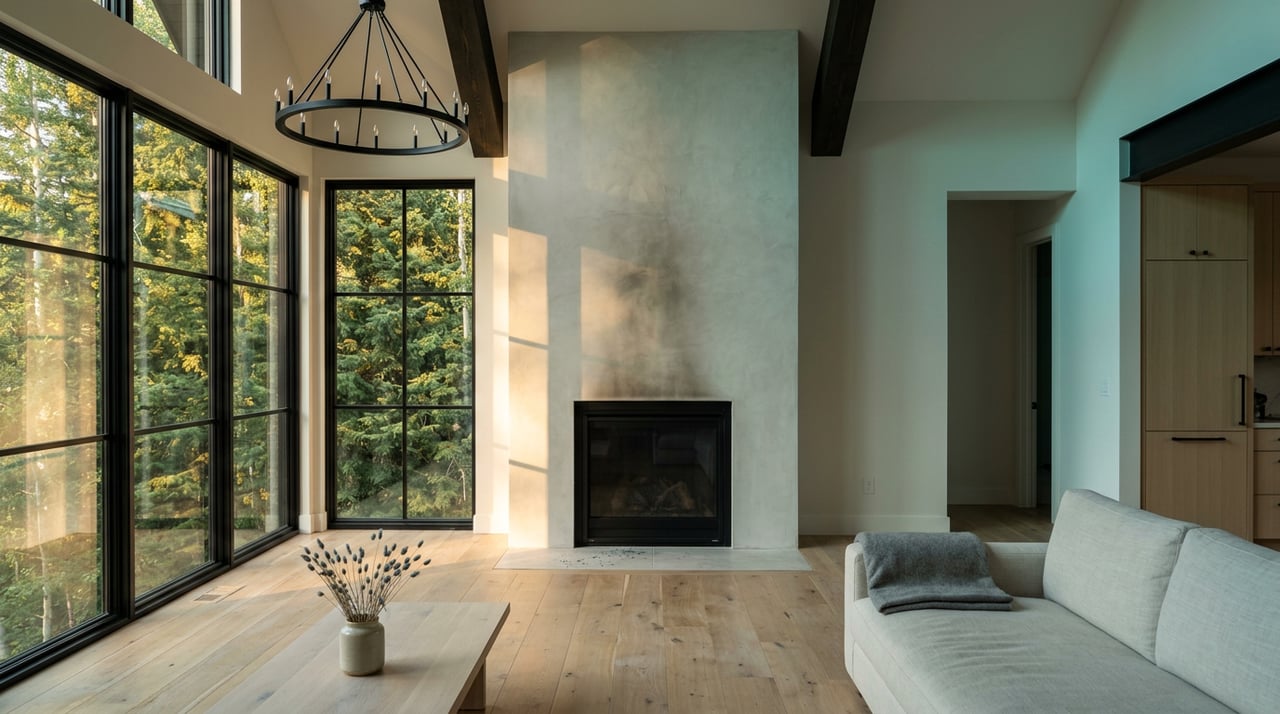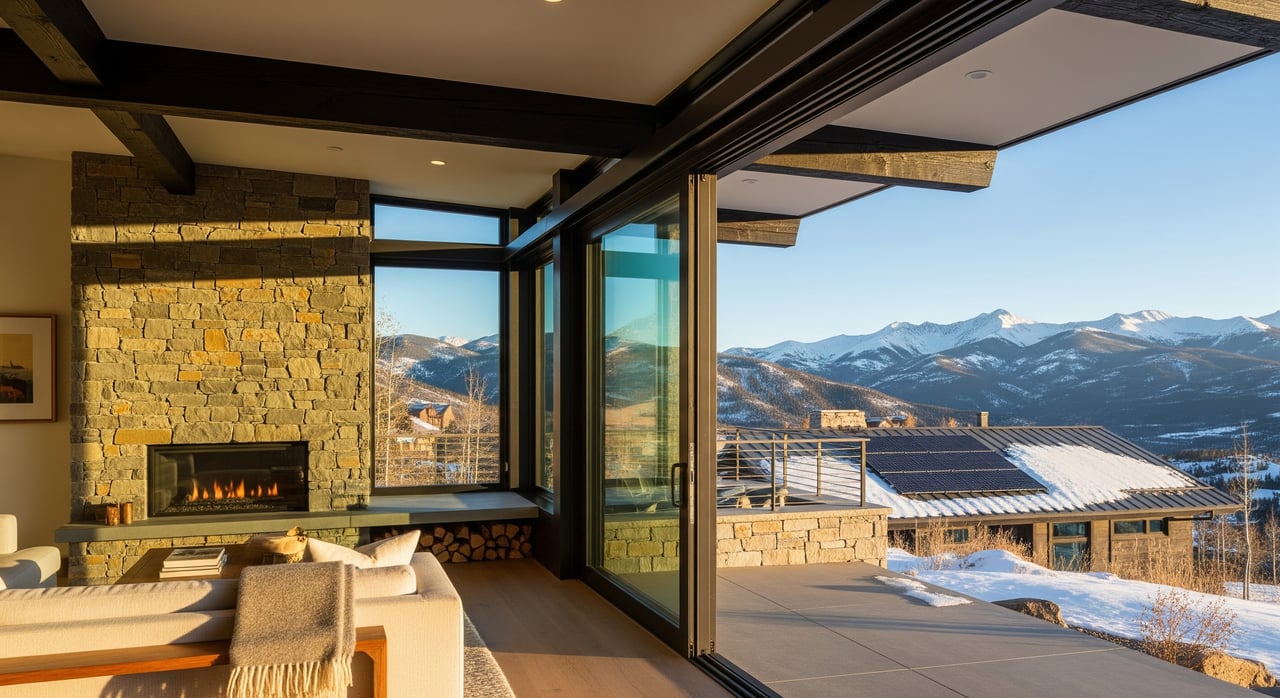
Does your Silverthorne home feel chilly around the edges even when the heat is on? At nearly 9,000 feet, mountain weather tests every part of a house. Long, cold winters, bright sun, strong winds, and heavy snow can push your systems hard. The good news is you can make smart, targeted upgrades that boost comfort, lower bills, and protect your roof and structure. This guide breaks down what matters most at altitude and how to plan your next steps. Let’s dive in.
Why altitude changes efficiency
Silverthorne sits in a cold to very cold climate zone with long winters and frequent freeze–thaw cycles. That means higher heating loads and more risk of ice dams if the roof warms unevenly. Winter sun is strong here, which can help warm south-facing rooms, but it can also cause shoulder-season overheating if glazing is not tuned. These conditions make your building envelope and ventilation strategy especially important.
Local building codes align with cold-climate guidance used across Colorado mountain towns. Exact R-value and detailing requirements can vary by code cycle and county amendments, so confirm the current rules before you plan a project. The big idea stays the same: tighten up air leaks, add insulation where it counts, manage roof snow and ice, and choose heating and ventilation systems built for cold weather.
Start with an energy checkup
Before you spend, diagnose. A whole-home energy audit with blower-door testing shows where air is leaking and which upgrades deliver the best return. This testing can also guide safe ventilation plans as you tighten the house. Ask contractors about thermographic imaging, duct leakage testing, and experience working in high-elevation, cold-climate homes.
A smart sequence protects your budget and your home:
- Seal big air leaks first, then add insulation.
- Plan for balanced ventilation as you tighten the envelope.
- Right-size heating after envelope work, so you do not overspend on equipment.
- Address roof and water management details during any re-roof or attic project.
Air sealing comes first
In cold climates, uncontrolled air leakage can be one of the largest sources of heat loss. Sealing gaps is often the fastest, most cost-effective step you can take.
Target these common leakage points:
- Rim joists and sill plates
- Attic hatches and recessed lights
- Plumbing and electrical penetrations
- Chimney and fireplace surrounds
- Window and door weatherstripping
Blower-door testing helps verify results. As you reduce leaks, add controlled ventilation so fresh air is delivered without wasting heat. Cold-climate HRVs or ERVs with frost control are commonly recommended to keep indoor air healthy while limiting heat loss.
Insulation by area
Adding or improving insulation reduces heat flow and keeps interior surfaces warmer, which improves comfort and condensation control. In Silverthorne’s climate, higher insulation levels are typical compared to lower elevations. Always confirm local code targets and detailing requirements before installation.
- Attic: Topping up attic insulation is often a high-ROI upgrade. Pair it with careful air sealing at the ceiling plane. Maintain proper attic ventilation strategies that fit your roof assembly.
- Walls: Older homes may have minimal cavity insulation. Dense-pack cellulose or other blown-in products can boost performance with limited disruption. Adding continuous exterior insulation is highly effective but more involved.
- Basements and crawlspaces: Insulating basement walls and sealing or insulating crawlspaces reduces cold floors, frost risk, and moisture issues. Rim-joist sealing and insulation make a big difference here.
Moisture control matters. In high-altitude cold climates, improper retrofits can trap moisture. Follow cold-climate best practices for vapor control, flashing, and drying potential.
Windows that work here
Windows do double duty in Silverthorne: they must hold heat in and use winter sun to your advantage. Performance depends on three key metrics: U-factor, Solar Heat Gain Coefficient (SHGC), and air leakage.
- Orientation matters: Higher SHGC can help on south-facing windows for passive solar gain. Consider lower SHGC for oversized west windows to limit overheating.
- Triple-pane benefits: Modern triple-pane units with inert gas fills and warm-edge spacers improve comfort and reduce condensation near the glass. They cost more, so many owners prioritize them where comfort issues are worst.
- Frames and sealing: Fiberglass, wood, or composite frames typically insulate better than basic aluminum unless the aluminum has a thermal break. Quality installation and air-sealing around frames are critical.
If your current double-pane windows are in good shape, storm windows and new weatherstripping may offer a cost-effective interim step. Replacement shines when you are dealing with single-pane units, major drafts, or water issues.
Roofs and ice dam prevention
Ice dams form when heat leaks from your living space into the attic and warms the roof deck. Melted snow refreezes at the eaves, backing up under shingles and causing leaks.
Prevention starts inside:
- Seal the ceiling plane to block warm air escaping into the attic.
- Add attic insulation to reduce heat transfer.
- Use appropriate roof ventilation for your roof design so the roof deck stays cold.
Then address roofing details:
- Install ice-and-water shield underlayment at eaves and key transitions.
- Ensure proper flashing and drip edges.
- Manage snow shedding with the right roof materials and snow guards where needed.
Heat cables can help with local trouble spots but are best as a targeted measure, not a primary fix. Any re-roof or structural change should follow local snow-load design requirements. Confirm permits and engineering needs before work begins.
Heating that fits the climate
Homes in Summit County use a mix of natural gas, propane, electric resistance, and heat pumps. Your best option depends on fuel availability, energy prices, and your envelope performance.
Cold-climate air-source heat pumps are increasingly viable here. Modern models deliver heat efficiently at much lower outdoor temperatures than older units. For extreme cold snaps, plan for backup heat and smart controls. Ground-source systems can also perform well but require higher upfront investment and site suitability.
Do not overlook distribution losses:
- If you have ducts, seal and insulate them, especially in unconditioned spaces.
- Insulate hydronic lines to keep heat where you want it.
- Use zoning and smart thermostats to match schedules and reduce waste.
ROI: where to spend first
Every home is unique, but the general order of value in cold climates is clear:
- Air sealing and attic insulation: Usually the highest comfort and savings per dollar.
- Basement, crawlspace, and rim-joist sealing/insulation: Big comfort gains and shorter payback when currently uninsulated.
- Duct and distribution improvements: Low cost and high impact if you have leaks.
- Windows: Great for comfort and condensation control, with variable energy payback.
- Major wall retrofits and full mechanical replacements: Plan these when timing aligns with maintenance, incentives, or larger remodels.
- Roof snow and ice measures: Essential for durability and safety, with indirect energy benefits.
Actual payback varies based on your current condition, energy prices, and whether the home is occupied year-round or seasonally. Second-home owners may prioritize measures that reduce freeze and water damage risk during vacant periods.
Incentives and permits
There are multiple places to check for financial help:
- Federal tax credits and rebates created or expanded in recent federal programs can reduce the cost of heat pumps, insulation, and other upgrades. Rules change, so confirm current IRS and DOE guidance.
- The Colorado Energy Office and local utilities often offer rebates for weatherization and efficient HVAC. Program details vary by provider.
- DSIRE is a well-known database to see current federal, state, and utility incentives.
Permits are common for re-roofs, structural changes, window replacements in some cases, and mechanical or electrical work. Confirm requirements with the Summit County Building Department before you start. Roof work should follow local snow-load requirements, and some projects may need engineering sign-off.
Tips for second homes
If you own a part-time residence, think about resilience and controls:
- Add smart thermostats and leak detection for peace of mind when you are away.
- Prioritize air sealing and insulation to reduce freeze risk and keep baseline heating costs down.
- Schedule service for heating systems and document maintenance for future resale.
- Plan snow-shedding management around walkways and entries to protect guests and service providers.
A simple action plan
- Book an energy audit with blower-door testing.
- Seal air leaks at the attic plane, rim joists, and penetrations.
- Top up attic insulation and address attic ventilation as needed.
- Improve basement or crawlspace insulation and moisture control.
- Tune windows: weatherstrip now; plan selective replacements where comfort is worst.
- Evaluate a cold-climate heat pump with a backup plan and smart controls.
- If re-roofing, add ice-and-water shield, confirm flashing, and plan snow management.
Ready to tailor a plan to your property and goals in Silverthorne? Reach out to schedule a no-pressure conversation. You will get local insight and a step-by-step roadmap that fits your budget and timeline. Connect with Stuart Reddell today.
FAQs
What are the best first steps for a Silverthorne home efficiency upgrade?
- Start with air sealing and an attic insulation top-up after a blower-door test, then add basement or crawlspace insulation and ventilation planning.
Do triple-pane windows make sense at this elevation?
- Yes for comfort and condensation control, especially on the coldest exposures, but prioritize envelope sealing and attic insulation first for better ROI.
Will a cold-climate heat pump work in Silverthorne winters?
- Modern cold-climate models can perform well with proper sizing and a backup heat strategy for extreme cold, plus smart controls for efficiency.
How can I prevent ice dams after adding insulation?
- Seal the ceiling plane, add the right insulation, and ensure proper roof ventilation and ice-and-water shield at eaves during re-roofing.
What incentives can help pay for upgrades in Summit County?
- Check current federal tax credits, Colorado Energy Office programs, and local utility rebates; availability and amounts change over time.
Do I need a permit for window or roof work in Summit County?
- Re-roofs and structural or mechanical changes typically need permits; some window projects do too, so confirm with the Summit County Building Department.