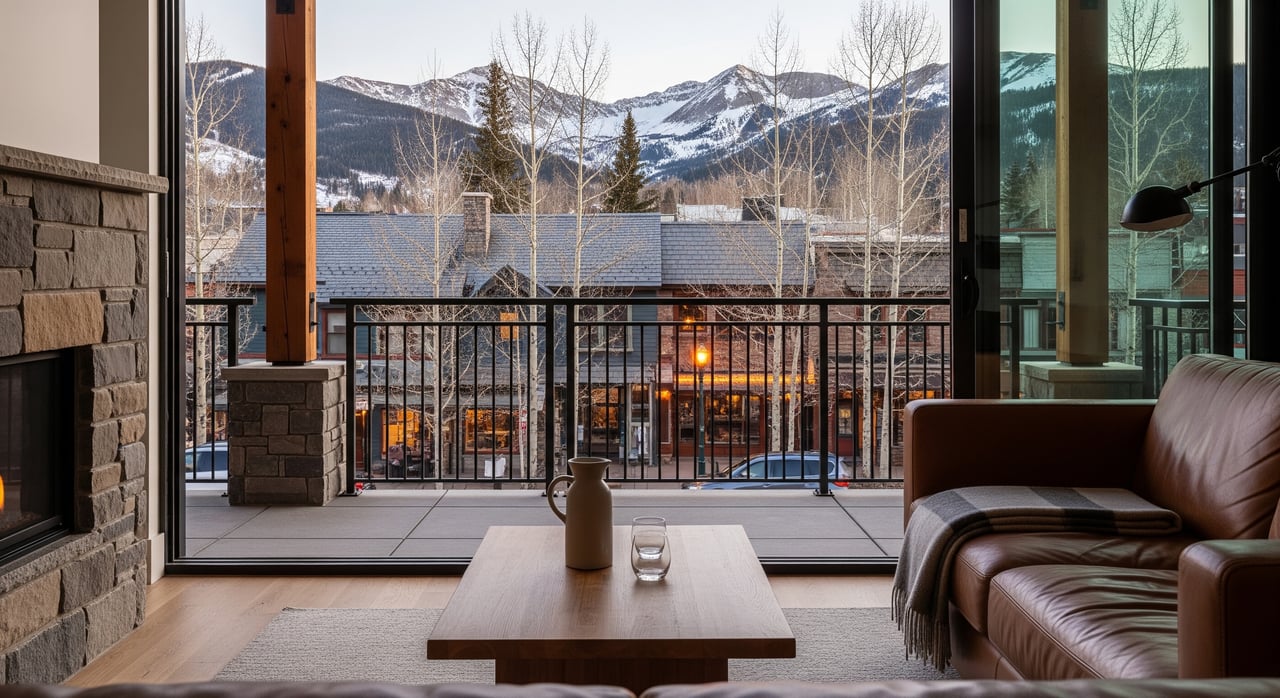
Ever wondered what everyday life looks like when Main Street is your front yard? If you love walkable mornings, coffee a block away, and a quick connection to the lifts and trails, living near Main Street Breckenridge can feel like the best of mountain town life. At the same time, you trade a bit of quiet for energy, events, and seasonal crowds. In this guide, you’ll get a clear picture of the rhythm, conveniences, tradeoffs, and what to check before you buy so you can decide with confidence. Let’s dive in.
Year-round rhythm and vibe
Winter: lively and snow-focused
Winter is the high season, and Main Street is active from first chair to late evening. You’ll see skiers, tour groups, and a strong après scene most afternoons. Daily life shifts around snow and shorter daylight, which means planning for icy sidewalks, layered clothing, and a little extra time for errands.
If you enjoy a social energy, winter delivers it in full. For a quieter feel, look to buildings on side streets or ask about sound insulation and unit orientation during showings.
Summer: festivals and patios
Summer brings a different kind of buzz. Think outdoor dining, farmers’ markets, live music, and family tourism. Daytime activity picks up, and evenings often feel like a casual block party.
You can walk to most events, then slip home easily. If you prefer calm evenings, consider buildings a few blocks off Main Street or units set back from restaurant patios.
Shoulder seasons: calm and local
Spring and late fall tend to be the quietest times. Business hours may shorten, events slow down, and locals catch up on projects. You’ll find fewer crowds, easier parking, and more open trail space.
Many residents plan around this cycle, using shoulder seasons for home maintenance and slower days downtown.
Everyday essentials nearby
Walkability for daily errands
Main Street living is all about walkability. Coffee, dining, galleries, and shops are steps away, which makes day-to-day errands simple. Most social plans become a stroll, not a drive.
Some larger errands, like a full grocery stock-up or hardware run, may require a short drive. When viewing properties, map out the exact walk to your most-used spots so you know what life will feel like.
Groceries and healthcare access
You’ll find a mix of smaller markets downtown and full-service groceries in and near town. For medical needs, non-emergent clinics are in Breckenridge and emergency care is available in the county. This setup works well for most residents, but having a vehicle on standby can still be practical.
If you have specific healthcare needs or family routines, verify hours and locations that fit your lifestyle before you commit.
Utilities and internet reliability
Standard utilities serve in-town properties, and broadband coverage is generally stronger near the core than in remote areas. Speeds and providers still vary by address, so it’s wise to confirm exact service at the unit level.
In severe storms, brief impacts can happen. Most residents plan with common-sense backups and regular system checks.
Getting around with ease
Transit and gondola connections
Free local and county transit options connect downtown with the ski bases and nearby towns. Many Main Street residents rely on these routes to reach lifts, restaurants beyond the core, and workplaces. In good weather, some residents walk or bike to connections like the gondola.
For daily skiers, this can reduce the need to drive. That said, a car is still convenient for larger shopping trips or spontaneous mountain adventures.
Parking and winter driving
Parking in the core is managed with a mix of permits, time limits, and seasonal rules. Some buildings include assigned garage or surface spaces, while others rely on shared lots or street parking. Conditions change with snow, so confirm snow removal responsibilities and where you will park guests.
If you plan to drive year-round, invest in winter tires and keep a flexible schedule for storm days.
Outdoor access at your doorstep
Skiing and resort access
From Main Street, you’re close to lift access through short drives or free transit links to base areas. You can enjoy morning laps without a long commute, and pop home easily after après. If you store gear at home, check building layouts for elevator access and ski storage.
If lift proximity is a top priority, compare how each building connects to transit, and ask about winter sidewalk maintenance and lighting along your route.
Trails, recpath, and summer fun
Hundreds of miles of trails across Summit County are nearby, with the recreation path running through or near town for easy bike rides and jogs. Some trailheads are walkable, while many are a short drive. Living near Main Street keeps you central to it all without giving up the convenience of a quick retreat home after a long day outside.
Housing types and what to expect
Condos, townhomes, and historic units
Near Main Street, the inventory skews toward condos and townhomes, plus historic buildings with residences above retail. Single-family homes are less common right on the core but appear in adjacent neighborhoods.
Many in-town properties were designed with flexibility for second-home or rental use. As you compare options, look closely at building age, sound insulation, storage, and elevator access.
HOA fees and maintenance
HOA fees are common in the core and often cover items like exterior maintenance, common-area snow removal, and trash. The details vary widely, so request a breakdown of what is included. If you plan to visit part-time, these services can make ownership easier.
Look for any pending special assessments or major projects that might affect costs or access.
Taxes and insurance basics
Mountain properties can carry higher insurance needs due to snow load, water exposure, and wildfire risk. Property taxes and carrying costs can be higher than regional averages in resort towns. Budget for these with a conservative cushion and get quotes early in your process.
A local advisor can help you weigh these costs across buildings and nearby towns to find the best fit for your goals.
STR rules, zoning, and historic reviews
Short-term rental considerations
Short-term rental rules are active policy areas in Breckenridge and across Summit County. Licensing, occupancy limits, safety standards, and zone-based restrictions can apply. Many buildings also have HOA rules that layer on top of town requirements.
If rental income matters to your plan, verify current rules for the specific address and whether a unit holds an existing permit. This affects both potential revenue and resale value.
Historic district and renovations
Many downtown buildings fall within historic districts. Renovations often require design review and permits to protect historic character. If you are considering updates, understand review timelines and what exterior or structural changes are allowed before you buy.
Plan for design approvals in your project timeline, and request any prior approvals or architectural plans during due diligence.
Due diligence checklist
- Confirm your actual walk times to coffee, dining, and transit from the unit.
- Verify parking: assigned spaces, guest options, and snow removal responsibilities.
- Review HOA documents for STR policies, assessments, insurance, pets, and maintenance.
- Confirm broadband provider options and speeds at the exact address.
- Ask about noise levels during peak seasons and major events.
- Check STR permit status and historic district requirements for renovations.
Who thrives near Main Street
If you value convenience, culture, and a social pulse, Main Street living fits well. You can step out for dinner, catch live music, and hop to the lifts without a long drive. The tradeoff is more activity, especially during winter and summer peaks.
Many year-round residents live happily in the core. Families often evaluate building layouts, storage, parking, and proximity to parks and transit. It comes down to whether the event-driven schedule and lively feel match your home routine.
Smart buying tips from a local advisor
- Define your top three priorities, such as quiet, rental flexibility, or lift access.
- Compare HOA inclusions and special assessments across similar buildings.
- Visit at different times of day and during an event week if possible.
- Map your daily routine: transit route, gear storage, and grocery plan.
- Build a realistic budget for taxes, insurance, and utilities.
- Confirm all STR and historic district requirements before you write an offer.
The bottom line: living near Main Street trades a bit of privacy for unmatched access to dining, arts, trails, and resort connections. If that balance fits your lifestyle, it can be a deeply rewarding way to experience Breckenridge.
Ready to explore the right buildings and compare options with a local, relationship-first approach? Reach out to Stuart Reddell for a thoughtful plan and a clear path forward.
FAQs
Is living near Main Street noisy?
- Expect active periods during winter afternoons, evenings, and festivals; for a calmer feel, target side streets, higher floors, or buildings with upgraded sound insulation.
Can I reach the lifts without a car?
- Many Main Street addresses connect to the ski bases via free town transit and gondola links; a car is still helpful for larger errands or emergencies.
How does winter affect daily routines?
- Plan for snow and shorter daylight with layered clothing, extra commute time, winter tires, and regular home maintenance checks during storm cycles.
Are there family-friendly options near the core?
- Yes, many families live in and around downtown; compare layouts, storage, parking, and access to parks and transit to match your routine.
How do costs compare with nearby towns?
- In-town properties often command a premium for convenience and proximity to resort access; compare HOA fees, taxes, and housing types across Summit County for tradeoffs.
What should I know about short-term rentals?
- STR rules, licensing, occupancy limits, and HOA policies vary by zone and building; verify current requirements and any existing permit for the specific unit.
Are renovations restricted in the historic district?
- Many buildings near Main Street require design review and permits for changes; confirm what is allowed and the approval timeline before planning updates.
What parking challenges should I expect?
- Core-area parking can include permits, time limits, and seasonal rules; confirm assigned spaces, guest options, and snow removal responsibilities during due diligence.