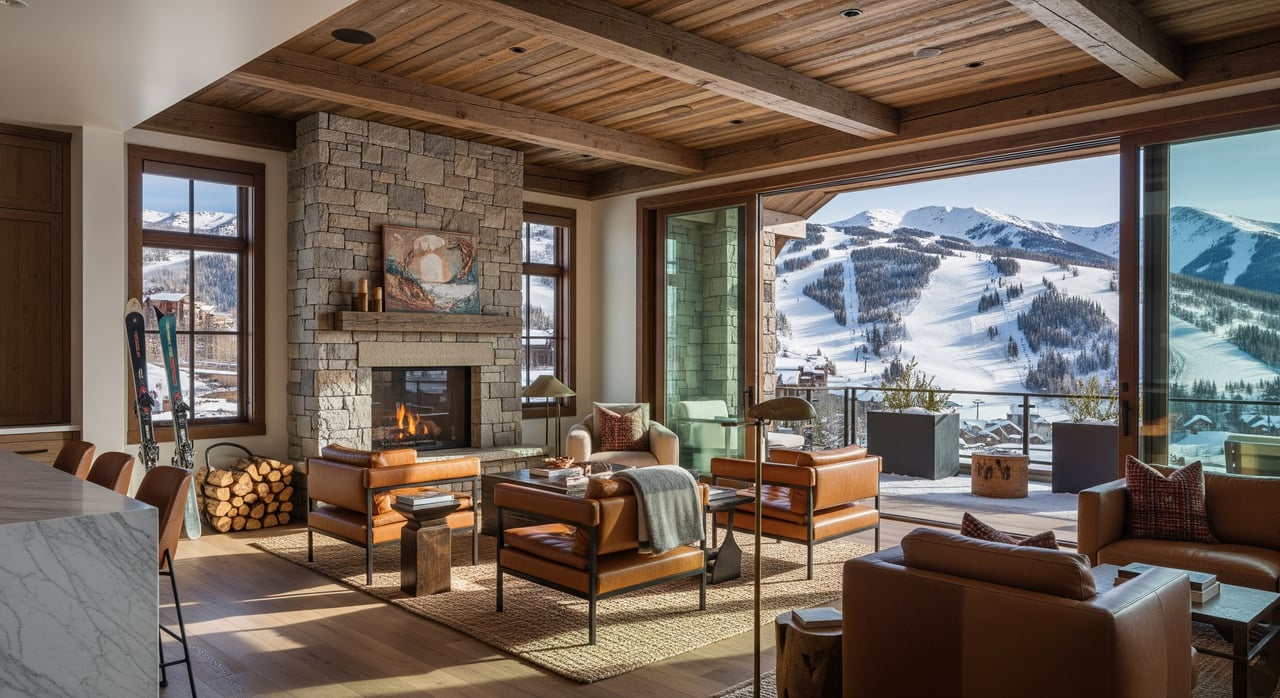
Looking at condos in Summit County and torn between Keystone and Copper? You’re not alone. Both resorts deliver great snow, mountain town energy, and strong condo options, but the right fit depends on how you use your place, how close you want to be to the lifts, and what you expect from HOA rules and rental potential. In this guide, you’ll get a clear, practical framework to compare the two and choose confidently. Let’s dive in.
Key differences at a glance
Both resorts offer quality skiing and a range of condo styles, but your day-to-day experience can feel different.
- Keystone often skews toward a larger, family-oriented base village with night skiing and more evening programming in peak season.
- Copper’s compact, walkable base puts you close to lifts with terrain naturally separated by ability and a strong park culture.
- Building-level details matter most. Two buildings in the same village can offer very different access, amenities, HOA costs, and rental rules.
Quick takeaway: Pick the vibe you prefer, then shortlist buildings that match your exact needs for lift access, amenities, HOA rules, and rental flexibility.
Lift access and walkability
Lift proximity shapes everything from your morning routine to rental performance.
- Keystone access: Multiple base areas, including River Run, Lakeside, and Mountain House, connect by lifts and shuttles. Many buildings market short walks or quick shuttle access. Night skiing is a notable plus if you want longer days on snow.
- Copper access: The base village is compact and easy to navigate on foot. Many buildings are a short walk to lifts, and terrain layout naturally separates beginner, intermediate, and advanced zones.
What to verify before you buy:
- Actual walking time from the unit door to the nearest lift or gondola
- Whether the path is truly ski-in/ski-out, walkable, or shuttle-dependent
- Elevator access, ski storage location, and stair count for gear days
Buyer tip: Walkability usually boosts average daily rate and occupancy in short-term rentals. Confirm the real distance and path quality, not just the marketing description.
Village vibe and amenities
Choose the scene that matches your routine and guests’ expectations.
- Keystone vibe: Larger village infrastructure with family programming, kids’ activities, ice skating, tubing, and a broader mix of dining and evening options during high season.
- Copper vibe: A laid-back, mountain-culture feel with a freestyle and terrain-park presence. The base is easier to navigate and keeps most essentials within a short stroll.
Condo building amenities vary widely at both resorts:
- Common offerings: Heated pool or spa, fitness rooms, ski lockers, underground or surface parking, front desk or concierge, on-site dining, and shuttles.
- Services spectrum: Some buildings function like resort hotels with front-desk check-in and in-house rental programs, while others are more residential and owner-managed.
Buyer tip: More amenities usually means higher HOA fees. Match your must-haves to your budget and intended use.
Year-round use and seasonality
Winter drives most demand, but summer matters for owners who want year-round enjoyment or rental income.
- Keystone summers: Lift-served mountain biking, lakeside recreation, and events add warm-season appeal.
- Copper summers: A growing lineup of activities and training traffic tied to action-sports facilities and terrain parks.
What to check:
- Summer lift operations and trail access
- Event calendars and festival schedules
- Seasonal rental data for occupancy and nightly rates by month
Buyer tip: If summer usage or income is important, prioritize buildings with amenities that resonate in warm months, like easy access to trails, bike storage, and walkable dining.
HOA costs and what to review
Carry costs are a combination of mortgage, taxes, HOA dues, and utilities. A lower purchase price can be offset by higher HOA fees, so compare the full monthly picture.
What HOA fees commonly cover:
- Exterior maintenance, master insurance, common utilities, snow removal, trash, landscaping, and reserve funding
- Pool and spa operations, fitness rooms, front-desk staffing, and property management if the building is hotelized
- Sometimes cable and internet; sometimes billed separately
Documents to request and review:
- Current budget and 12 to 24 months of financials
- Reserve study and minutes from the last year of meetings
- Master insurance summary and required owner policy
- Rental rules, program contracts, owner-use priorities, and blackout dates
- Special assessments, planned projects, pet and smoking policies
- Parking allocations and storage rights, including ski lockers and bike storage
Red flags:
- Underfunded reserves or a history of frequent special assessments
- Strict rental restrictions that reduce flexibility or income potential
Short-term rental rules and potential
If part of your plan is renting the condo when you are not using it, focus on eligibility and realistic performance.
What drives rental demand:
- Walkable or slope-side access, quality in-unit amenities, on-site hot tub or pool, and secure parking
- Established rental marketing, whether through an in-house program or a professional manager
- Winter season strength and summer programming
Regulatory checks to make early:
- Short-term rental registration and compliance requirements in Summit County or the relevant municipality
- Lodging taxes that apply to STR income
- HOA or deed restrictions that cap rentals, require minimum stays, or prohibit STR entirely
How to evaluate income potential:
- Verify historic occupancy and average daily rates from credible data sources
- Request P&L statements for comparable units or the unit itself over multiple seasons
- Understand management fees, owner payout schedules, and any blackout dates
Reality check: Condos at either resort are not guaranteed income sources. Performance depends on location, amenities, management, regulations, and marketing.
Parking and logistics
Parking rules and access can affect both your experience and guest satisfaction.
- Confirm whether parking is deeded, assigned, underground, or surface
- Ask about guest parking, snow-plow access, and EV charging availability
- Decide if you need a vehicle for errands or if the shuttle network works for your plans
Decision checklist: Keystone vs Copper
Use these prompts to quickly filter options and build your shortlist.
Must-have filters:
- Walkable to lift: yes or no; if yes, maximum minutes door-to-lift
- Amenities: on-site hot tub or pool required or optional
- Bedrooms and maximum sleeping capacity
- Pet policy: allowed or not
- Owner-use flexibility: minimum owner block dates and maximum owner usage
- Parking: deeded or assigned spot required or optional
- Rental setup: in-house program required or third-party or owner-managed allowed
- Budget: target purchase range and acceptable HOA fee range
Scoring suggestion to rank buildings:
- Walkability 25%
- Rental potential 20%
- HOA cost 15%
- Amenities 15%
- Village vibe 10%
- Resale prospects 15%
How to use the score:
- Score each building against your priorities
- Shortlist the top 3 to 6 buildings
- Request building-level documents and rental performance for those finalists
Keystone fit vs Copper fit
Keystone may fit best if you want:
- Larger base-village energy with family-focused programming and night skiing
- A broader mix of dining and evening options during peak season
- A range of buildings, including hotel-style options with more services
Copper may fit best if you want:
- A compact, walkable village with straightforward lift access
- Terrain that naturally separates by ability and a strong park culture
- Essentials-focused buildings with an emphasis on the mountain experience
Remember: The right condo depends more on the building than the resort label. Confirm access, amenities, HOA rules, and rental setup for the specific building and unit you are considering.
How we help you compare
Choosing between Keystone and Copper is easier with building-level clarity. Here is how a guided process saves you time and guesswork:
- Build a tailored shortlist based on your walkability, amenities, budget, and rental goals
- Pull HOA budgets, reserve studies, meeting minutes, master insurance summaries, and rental rules
- Coordinate rental program details, owner-use policies, and sample P&Ls for comparable units
- Analyze total monthly carrying cost beyond the list price
- Validate seasonal demand patterns before you make an offer
If you are ready to compare specific buildings and units, connect with a local advisor who knows both resorts. Schedule a free consultation with Stuart Reddell to create your Keystone vs Copper shortlist and move forward with confidence.
FAQs
What are the biggest lifestyle differences between Keystone and Copper?
- Keystone offers a larger base village with family programming and night skiing, while Copper’s compact village emphasizes mountain culture and terrain-park energy.
How important is walkability to the lift for a condo purchase?
- It is very important for daily convenience and often for rental rates and occupancy. Verify the true door-to-lift time and whether access is walkable or shuttle-based.
What do HOA fees typically cover in resort condos?
- Common areas, master insurance, snow removal, trash, landscaping, reserves, and often pools, spas, fitness rooms, and staffing if the building operates like a hotel.
Are short-term rentals allowed at all Keystone and Copper buildings?
- Not always. Some HOAs or deed restrictions limit or prohibit STRs, and county or municipal registration rules apply. Confirm eligibility and rules in writing before you buy.
How do I evaluate rental income potential at either resort?
- Review verified occupancy and rate data, request P&Ls for comparable units, understand management fees and owner blackout dates, and factor in location and amenities.
What documents should I request before writing an offer on a condo?
- Ask for the HOA budget, recent financials, reserve study, meeting minutes, master insurance summary, rental policies and contracts, special assessment history, and parking and storage rights.