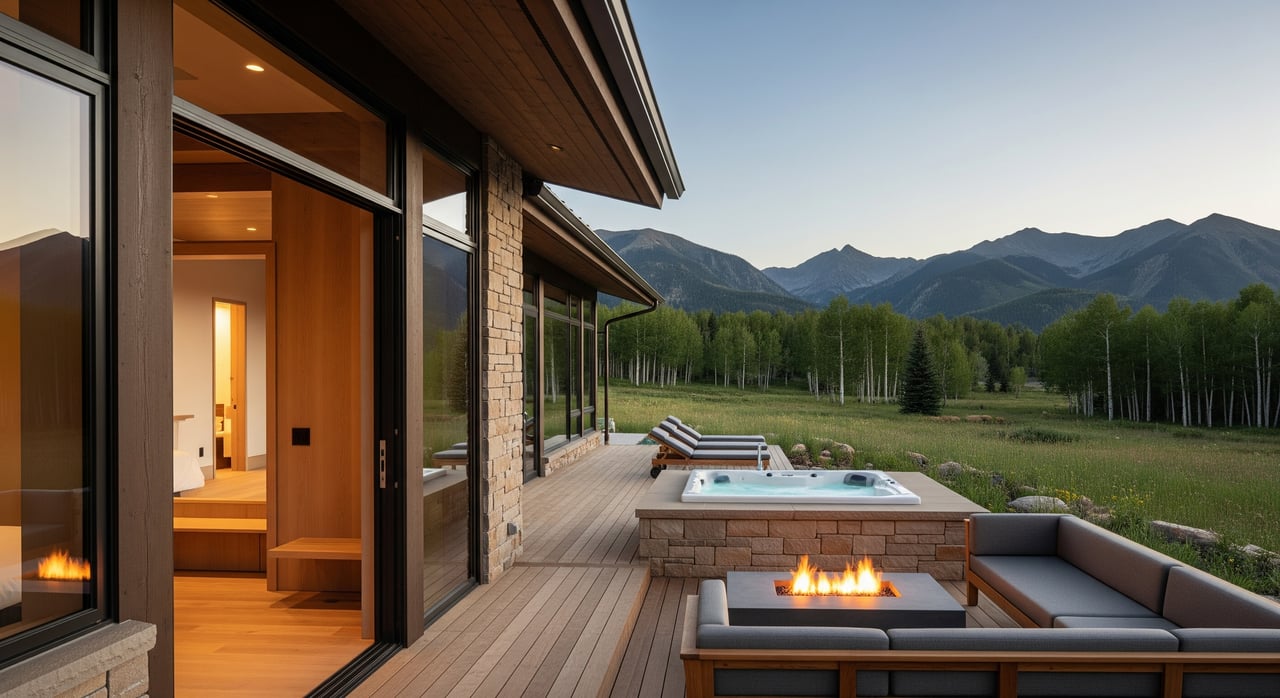
Thinking about turning a home in Alma or unincorporated Park County into a short-term rental? You are not alone. With year-round outdoor appeal and easy access from the Front Range, the area attracts steady guest interest. The key is knowing the rules, planning for mountain conditions, and running numbers that reflect real costs and seasonality. This guide walks you through the essentials so you can move forward with clarity and confidence. Let’s dive in.
What “short-term rental” usually means
Most Colorado communities define a short-term rental as a stay under 30 consecutive days. That definition can vary by jurisdiction, and rules can change over time. If you are looking at a property inside Alma’s town limits, you may face different requirements than a parcel in unincorporated Park County nearby. Always verify the current local definition and rules before you list or buy.
Permits, registration, and taxes
Local governments set the framework for STRs. Before you assume a property can be rented, confirm what is required where the home sits.
- Registration or license: Ask whether you need a short-term rental registration or business license and if it must be renewed annually. Some places require you to display a license number on listings.
- Zoning and use approvals: Confirm that the zoning district allows STRs. Certain properties may need a conditional or special use review.
- Building and safety: Expect requirements for smoke and carbon monoxide alarms, fire extinguishers, and safe egress. Some jurisdictions inspect these before a permit or registration is issued.
- Occupancy limits: Limits can be set by bedroom count, square footage, or septic capacity. Even if the jurisdiction does not set a number, your septic system or HOA may.
- Taxes: Short stays are typically subject to Colorado state sales and lodging taxes, plus county and possibly municipal taxes. Understand who collects and remits taxes for your bookings.
- Enforcement: Non-compliance can lead to fines or permit loss. Ask about enforcement procedures and whether any grandfathering applies to existing rentals.
Who to contact locally
- Town of Alma: Clerk or administration for rules within municipal limits.
- Park County: Planning and Zoning for land use and approvals, Treasurer/Tax for local tax guidance, and the Board of Commissioners for adopted policies.
- Colorado Department of Revenue: For state sales and lodging tax obligations.
- Park County Public Health or Building/Environmental Health: For septic, well, and life-safety topics that affect occupancy.
Rules can change quickly, sometimes with caps or moratoria. If a property is inside Alma and also in Park County, you may need to meet both sets of requirements.
Occupancy and safety basics
Safe capacity is about more than sleeping spaces. In mountain homes, septic design often sets the practical limit. A system sized for a certain number of bedrooms can restrict how many guests you can host. Increasing bedroom count may trigger a septic upgrade.
Plan for the basics: working smoke and CO detectors, accessible exits, and fire extinguishers in the kitchen and key areas. A local inspection or health department review may be required or recommended. Build these requirements into your budget and timeline.
Minimum stays and host policies
Some jurisdictions set minimum stays to reduce party risks. If there is no government minimum, you can set your own based on demand and operations. Many hosts choose a 2 to 3 night minimum and lengthen it during peak season to cut turnover costs. Check whether your HOA imposes a minimum night rule or caps the number of rental nights per year.
HOAs: what to verify in writing
HOA rules can make or break your STR plan. Get current documents and written confirmation of policies.
- Rental permissions: Some HOAs prohibit STRs while others allow them with restrictions.
- Owner presence and registration: You may need to register with the HOA or have a local contact.
- Minimum stays and calendars: HOAs often set minimum nights or blackout dates.
- Parking and noise: On-street parking limits and quiet hours are common and often enforced with fines.
- Insurance: Some associations require proof of liability coverage specific to STR use.
- Design rules: Exterior changes, signage, or new parking pads may be limited by architectural guidelines.
Parking, access, and utilities in the high country
Mountain logistics affect guest experience and your bottom line. Driveways can be steep, narrow, or snow-packed in winter. If parking is tight, you may need to cap guest counts. Budget for snow removal and consider whether year-round access requires four-wheel drive.
Water and septic systems need careful stewardship. Higher guest turnover can stress a system not built for frequent high occupancy. Heating reliability also matters at elevation. If a home uses electric heat, propane, or wood stoves, understand operating costs and maintenance needs in cold months.
Insurance and liability
Standard homeowner policies often do not cover short-term rental activity. You will likely need a policy or endorsement that addresses commercial short stays and guest liability. While platforms may offer some host protections, they have exclusions. Work with an insurance broker familiar with mountain STRs to align coverage with your use.
Market demand and seasonality in Alma and Park County
Demand in this area is driven by outdoor recreation and easy reach from Denver and other Front Range cities. Weekends tend to book faster than weekdays, especially for regional getaways.
- Summer (late June to September): Often the strongest months for hiking, fishing, OHV trails, and cooler weather. Well-positioned properties can see peak revenue now.
- Fall (September to October): A solid shoulder season thanks to foliage and hunting. Midweek stays can tick up for hunters.
- Winter (November to March): Results vary. Homes with reliable winter access and reasonable proximity to ski areas or snowmobiling can perform well. Remote locations may see fewer bookings unless access and snow removal are dialed in.
- Spring (April to May): Typically the slowest period due to mud season and fewer activities. Expect lower occupancy and rates.
Estimating performance: the right metrics
Approach revenue as a range and track the key drivers that move it.
- ADR by month: Your average nightly rate should reflect the seasonal curve.
- Occupancy by month: Expect stronger summer and variable winter based on access.
- RevPAR: Revenue per available night helps compare across property types and seasons.
- Length of stay and lead time: Know whether guests book last-minute weekends or plan longer peak trips.
Build a realistic pro forma by subtracting the costs that come with the terrain and operations:
- Management fees if you use a property manager: 15 to 30 percent depending on service level.
- Cleaning and turnover: Varies with size and season.
- Utilities and supplies: Higher in winter at elevation.
- Insurance, HOA dues, maintenance, platform fees, and local licensing or registration fees.
- Taxes: State and local sales or lodging taxes and any applicable transient taxes.
Due diligence checklist for a specific address
Make decisions with documents, not guesses. Gather these items early:
- Deed and parcel information to verify whether the home is in Alma or unincorporated Park County.
- Zoning maps and land-use classification for the parcel.
- Any current STR registration or permit and its conditions.
- Certificate of occupancy and permitted bedroom count, if applicable.
- Septic permit, design, and capacity details.
- HOA CC&Rs, rules, and rental policies, including recent amendments.
- Insurance declarations noting any STR endorsements or exclusions.
- Historical rental performance if the property has been rented: booking calendars, revenue statements, and guest reviews.
- Any outstanding code enforcement letters or complaints.
- Road maintenance and snow removal agreements that affect year-round access.
On-site checks that matter
Walk the property with operations in mind.
- Parking and guest access, including winter conditions and ice management.
- Smoke and CO alarms, fire extinguishers, and clear egress routes.
- Heating reliability and insulation for cold snaps.
- Water supply, septic condition, and any signs of recent repairs.
- Cell service and internet speed for guests and remote management.
- Exterior items controlled by HOA rules, like signage or added parking pads.
How to request a custom STR analysis
If you want an objective view of a specific home, share these items:
- Property address and parcel ID.
- HOA name and management contact, if any.
- Any existing STR registration or permit documents.
- Historical booking data, if available.
- Your intended use model: owner stays occasionally or fully investment-focused.
A helpful analysis should cover zoning and permit checks, a summary of HOA covenants, septic and occupancy flags, and a revenue snapshot using comparable rentals and seasonal trends. Treat it as high-level guidance and confirm details directly with county or town officials. For binding decisions, consult local counsel and your tax advisor.
Ready to explore an STR in Alma or Park County with a clear plan? Let’s talk through the address, the rules, and the numbers so you can move ahead with confidence. Connect with Stuart Reddell for a free, local consultation.
FAQs
What permits are required to operate an STR in Alma or Park County?
- Requirements vary by location; confirm with the Town of Alma for properties in town and with Park County Planning and Zoning for unincorporated addresses, and ask about registration, inspections, occupancy, and display rules for license numbers.
How do occupancy limits work for homes on septic systems?
- Septic capacity is often tied to the permitted bedroom count and can set the practical guest limit; exceeding design capacity can lead to violations or required upgrades.
Do local rules require a minimum night stay for short-term rentals?
- Some jurisdictions or HOAs set minimum stays, while others leave it to the host; verify local requirements, then align your minimums with demand and turnover costs.
How does winter access impact rental performance in Park County?
- Properties with reliable snow removal, adequate parking, and manageable grades tend to perform better in winter; remote or steep sites may see fewer bookings without four-wheel access and maintenance plans.
What insurance coverage should you have for a short-term rental?
- You typically need an STR-specific policy or endorsement that covers commercial guest stays and liability; platform protections are limited and should not replace dedicated insurance.
How can an HOA affect your ability to short-term rent?
- HOAs may prohibit STRs or allow them with conditions like minimum stays, quiet hours, parking limits, insurance requirements, and owner registration; get current rules in writing.
What taxes apply to Colorado short-term rental stays?
- Short stays usually incur state sales and lodging taxes plus county and possibly municipal taxes; determine who collects and remits these for your bookings and register with the proper authorities.