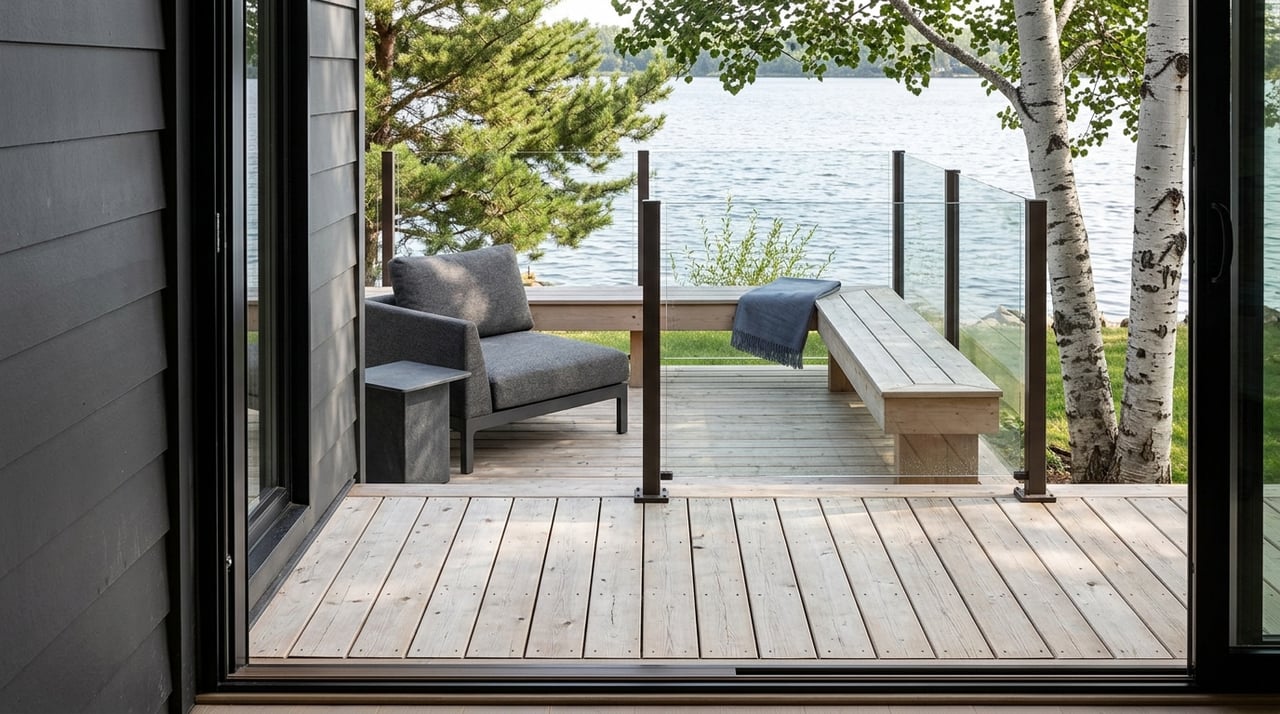
If your idea of mountain living includes a paddleboard in the morning and a walk to dinner at night, Frisco stands out for a simple reason: the water is woven right into daily life here. You are not choosing between a lake setting and a real mountain town experience. In Frisco, those two things come together in one compact place. This guide will show you what life on the water in Frisco really looks like, what you can do in each season, and why that matters if you are thinking about buying a home here. Let’s dive in.
Why Frisco Feels So Connected to the Water
Frisco sits beside Dillon Reservoir and is surrounded by public land on three sides. The town describes itself as a year-round Rocky Mountain basecamp, and that label fits because outdoor access is part of everyday life here.
What makes Frisco especially appealing is its scale. At just 1.9 square miles, it has a compact layout that connects Main Street, trails, and the marina in a way that feels easy to use rather than spread out.
That close-knit setting shapes the whole experience of being near the water. In Frisco, lake life is not tucked away in a separate district. It is part of the town’s rhythm, with shoreline access, recreation paths, and downtown amenities all working together.
Summer Water Life in Frisco
When warm weather arrives, Frisco Bay Marina becomes the center of on-the-water activity. Located at the eastern end of Main Street, it is the town’s main gateway to Dillon Reservoir and a major reason the lake feels so accessible.
The marina offers a wide range of seasonal options. You can rent pontoon boats, fishing boats and poles, stand-up paddle boards, canoes, and kayaks, and there is sailboat access through a third-party vendor. The rental season typically runs through the end of September.
This setup makes it easy to enjoy the reservoir without needing to plan a full-day outing far from town. You can start your morning on Main Street, head to the marina in just a few blocks, and be on the water shortly after.
What You Can Do on Dillon Reservoir
Dillon Reservoir supports a broad mix of recreation. According to Denver Water, common uses include boating, fishing, canoeing, kayaking, rowing, sailboating, and windsurfing.
That variety is part of the appeal for buyers who want an active mountain lifestyle. You are not limited to one type of lake activity, and the marina helps make several of those options feel approachable, even if you are just visiting for a weekend.
A Quieter Kind of Lake Culture
Life on the water in Frisco has a different feel than a high-speed lake destination. Denver Water prohibits swimming, scuba diving, water skiing, and similar water-contact activities on the reservoir because of cold temperatures and water-quality concerns.
Personal watercraft are also not permitted, and the speed limit on the reservoir is 30 miles per hour. Trailered boats may only launch at Dillon Marina and Frisco Bay Marina. Together, those rules create a calmer, lower-speed environment that fits Frisco’s laid-back mountain character.
Marina Park Makes Lake Days Easy
Next to the marina, Marina Park adds another layer to Frisco’s waterfront lifestyle. The park includes a sandy beach, lawn, playground, restroom facilities, paid parking, fishing access, and direct connection to the recreation path.
Even though Dillon Reservoir is not a swimming lake, the shoreline still plays an important role in how people use the area. Marina Park gives you a place to relax near the water, spend time outdoors, and enjoy easy access without needing a complicated plan.
For many people, this is what makes Frisco memorable. You can enjoy a very full lake day here, even if that day includes more shoreline time, fishing, boating, and scenic views than full water contact.
Trails and Views Along the Shore
Frisco’s waterfront lifestyle is not only about getting on a boat. The town maintains 12 miles of paved pathways within town limits, and those connect to the larger Summit County Recreational Pathway System.
That pathway access matters because it extends the water experience beyond the marina. You can bike, walk, or roll along routes that keep the reservoir in view and connect key parts of town.
The Peninsula Recreation Area
The Peninsula Recreation Area gives Frisco much of its distinctive shoreline identity. It extends into Dillon Reservoir and includes scenic overlooks, campgrounds, and trailheads.
In summer, the Peninsula offers miles of hiking and biking trails along the shores of Frisco Bay and Dillon Reservoir. It is one of the clearest examples of how Frisco blends mountain scenery, trail access, and waterfront living into one setting.
This is also where the visual side of lake life becomes especially clear. Even when you are not on the water, the reservoir remains part of the experience through overlooks, shoreline trails, and wide mountain views.
What Waterfront Living Looks Like in Winter
Frisco’s relationship with the water does not end when summer does. In winter, the shoreline shifts from boating season to a recreation setting shaped by snow, views, and trail use.
The town notes that the Peninsula Recreation Area includes winter Nordic trails, and the Frisco Nordic Center sits just south of Main Street with access for cross-country skiing and snowshoeing. That means the reservoir area stays active, even when the lake itself is not the focus.
Some Peninsula trails close in winter, while others remain accessible through the Nordic Center and may require fees. This creates a more structured winter experience, but it also reinforces how central the shoreline remains throughout the year.
Why the Reservoir Still Matters in Cold Months
Even when you are not launching a kayak or renting a pontoon boat, Dillon Reservoir continues to shape the feel of Frisco. Denver Water highlights scenic overlooks with views of the Gore and Tenmile ranges, and those views remain a major part of the setting in colder months.
For homeowners, that matters more than it may seem at first. A water-adjacent lifestyle in Frisco is really a four-season lifestyle, with the reservoir contributing to scenery, trail access, and overall sense of place all year long.
How the Water Shapes Daily Life in Frisco
One of Frisco’s biggest advantages is convenience. The town points to shopping and dining on Main Street and Summit Boulevard, and its compact layout supports a walkable and bikeable way of living.
That means your lake time does not have to feel separate from everything else you enjoy. You can spend part of the day on the reservoir or on the shoreline path, then head into town for coffee, dinner, or errands without a long transition.
This is a major difference from places where water access feels isolated from everyday life. In Frisco, proximity to the marina, Main Street, pathways, and Peninsula often matters more than the idea of remote waterfront exclusivity.
What Buyers Should Notice About Frisco Homes
If you are considering buying in Frisco, the water story is really a proximity story. Because the marina, downtown core, paved pathways, and Peninsula are closely connected, many buyers are drawn to homes that make it easy to enjoy that convenience.
That can mean different things depending on your goals. Some buyers may prioritize being able to walk to Main Street and the marina. Others may care more about quick trail access or a location that makes it easy to enjoy both summer lake use and winter Nordic recreation.
The key point is that Frisco’s appeal is not just about views of Dillon Reservoir. It is about how the reservoir, trails, and town all function together in daily life.
Why Frisco Stands Out in Summit County
Many mountain towns offer outdoor recreation, but Frisco has a particularly cohesive setup. Its small footprint, shoreline access, trail network, and downtown amenities all sit close together.
That gives you a lifestyle that feels flexible and easy to use. You can enjoy the marina in summer, the Peninsula in multiple seasons, and the town center year-round without feeling like you are constantly driving from one activity to another.
For buyers looking for a second home, a full-time residence, or an investment property in Summit County, that kind of connected lifestyle can be a meaningful advantage. It is one of the reasons Frisco continues to attract people who want mountain living with water access built into the experience.
If you are thinking about buying or selling in Frisco and want guidance shaped by real local knowledge, Stuart Reddell can help you explore the neighborhoods, property types, and lifestyle factors that matter most.
FAQs
Can you swim in Dillon Reservoir in Frisco?
- No. Denver Water prohibits swimming and other water-contact activities on Dillon Reservoir.
What water activities can you do in Frisco, Colorado?
- In Frisco, Dillon Reservoir supports boating, fishing, canoeing, kayaking, rowing, sailboating, paddle boarding, and windsurfing.
Is Frisco Bay Marina close to Main Street?
- Yes. Frisco Bay Marina is located at the eastern end of Main Street, which helps make lake access feel convenient and connected to town.
What is Marina Park in Frisco used for?
- Marina Park offers a sandy beach, lawn, playground, restrooms, fishing access, paid parking, and direct access to the recreation path.
What happens to Frisco’s waterfront lifestyle in winter?
- In winter, the shoreline shifts toward Nordic skiing, snowshoeing, and scenic trail use near the reservoir, including access through the Frisco Nordic Center and Peninsula area.
Why do buyers care about water access in Frisco?
- Buyers often value how close Frisco homes can be to the marina, Main Street, pathways, and Peninsula because that proximity supports an easy, four-season mountain lifestyle.